


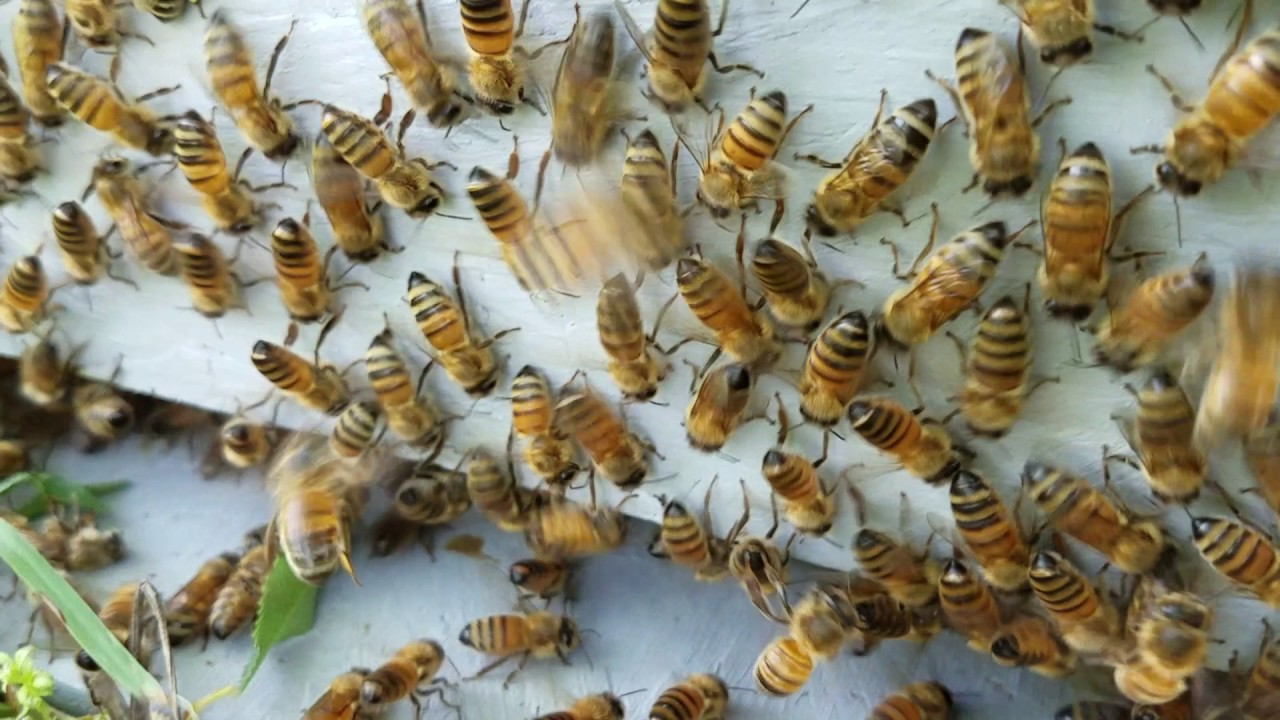
How Bee Behavior Changes During Swarming Seasons
Seasonal changes significantly influence how colonies function, communicate, and adapt to environmental conditions throughout the year. During swarming periods, bee behavior shifts dramatically as colonies prepare for reproduction and expansion into new habitats. This natural process represents a critical phase in the lifecycle of social bees, particularly honeybee species.
Swarming typically occurs when colonies outgrow their existing hive and require additional space for continued development. Overcrowding triggers internal signals that initiate preparation for colony division and relocation. These signals influence communication patterns, resource allocation, and overall activity levels within the hive.
Worker bees begin constructing specialized queen cells while reducing foraging efforts to focus on colony restructuring. Meanwhile, the original queen reduces her egg-laying rate, preparing physically for flight with a portion of the colony. This coordinated transformation highlights the complexity and efficiency of collective decision-making processes.
Understanding these patterns allows observers to recognize swarming as a natural and beneficial phenomenon rather than a threat. Awareness reduces unnecessary concern while promoting informed responses to increased activity around residential areas.
Environmental Triggers Affecting Bee Behavior
Environmental conditions play a crucial role in initiating and shaping bee behavior during swarming seasons. Temperature increases, extended daylight hours, and abundant floral resources create favorable conditions for colony growth and expansion. These factors collectively signal that it is an ideal time for reproduction and migration.
Nectar availability directly influences colony strength, providing the energy required for sustained activity and preparation for swarming. When resources are plentiful, colonies grow rapidly, increasing the likelihood of overcrowding within the hive. This growth accelerates the transition toward division.
Weather stability also contributes to successful swarming events, as calm conditions support safe travel and relocation. Sudden environmental changes may delay or disrupt these processes, affecting overall colony dynamics. Bees adapt quickly to these variations, demonstrating remarkable resilience.
Midway through heightened activity, homeowners sometimes seek guidance from professionals like a bee removal company in Nashville, ensuring safe handling when swarms appear near residential structures without harming the colony. This approach balances safety with ecological responsibility effectively.
By understanding these environmental influences, individuals can anticipate periods of increased activity and respond appropriately without unnecessary alarm.
Communication Changes in Swarming Bee Behavior
Communication within colonies becomes increasingly complex during swarming preparation, reflecting the need for precise coordination among thousands of individuals. Bees rely on a combination of chemical signals, vibrations, and movement patterns to share information efficiently. These methods ensure synchronized responses across the entire colony.
One of the most notable communication methods involves the waggle dance, which conveys information about potential nesting sites. Scout bees perform these dances to indicate direction, distance, and quality of prospective locations. This process allows the colony to evaluate options collectively before making decisions.
Pheromones also play a significant role in regulating behavior, influencing actions such as queen development and worker responsibilities. Changes in chemical signaling guide the transition from routine activities to swarming preparation. These signals maintain order during periods of heightened activity.
As swarming approaches, communication becomes more focused on relocation and coordination rather than routine maintenance tasks. This shift reflects the colony’s prioritization of survival and expansion. Observing these changes provides insight into the sophistication of social insect systems.
Understanding these communication mechanisms highlights the complexity of bee behavior and underscores the importance of preserving these natural processes.
Risks and Misconceptions About Swarming Bees
Swarming often generates concern among homeowners, yet many perceptions about associated risks remain exaggerated or inaccurate. During this phase, bees are generally less aggressive because they focus on relocation rather than defense. Their primary objective involves finding a suitable new home.
The temporary nature of swarms further reduces risk, as clusters typically remain in one location only briefly before moving. These resting points allow bees to regroup and make final decisions about their destination. Understanding this transience helps alleviate unnecessary fear.
However, proximity to human activity can still create discomfort, particularly in densely populated areas. Awareness and caution remain important when encountering swarms, especially for individuals with allergies or sensitivities. Maintaining distance ensures safety for both humans and bees.
Misconceptions often lead to harmful responses that disrupt natural processes and negatively impact local ecosystems. Education plays a key role in promoting balanced perspectives and responsible actions. By addressing misunderstandings, communities support coexistence more effectively.
Recognizing the difference between perceived and actual risks encourages informed decision-making and reduces unnecessary intervention during swarming events.
Managing Bee Behavior Around Residential Areas
Managing increased activity requires a balanced approach that prioritizes safety while respecting ecological importance. Preventative measures focus on reducing attractive conditions near residential spaces, minimizing the likelihood of swarms settling nearby. Regular maintenance plays a crucial role in achieving this goal.
Sealing potential entry points in structures prevents bees from establishing colonies in unwanted locations. Attention to gaps, vents, and rooflines strengthens protection while maintaining structural integrity. These measures reduce opportunities for habitation effectively.
Landscaping choices also influence activity levels, particularly when managing plant placement and water sources. Strategic design directs bees toward designated areas away from high-traffic zones. This approach supports coexistence without compromising comfort.
Long-term management involves ongoing awareness and adaptation to seasonal changes, ensuring strategies remain effective over time. Monitoring activity patterns helps identify potential issues early, allowing for timely responses. This proactive approach enhances overall safety and efficiency.
Ultimately, understanding and managing bee behavior during swarming seasons fosters a balanced relationship between humans and pollinators. Through informed practices and respectful coexistence, communities support both environmental health and residential well-being.
¡Suscríbete!