


Scaling Success: The Ultimate Guide to Private Label Products in 2026
In the modern e-commerce landscape, the shift from reselling household names to building independent brands has become the gold standard for profitability. Private label products—goods manufactured by one company but sold under another company’s brand name—offer a unique opportunity for entrepreneurs to control their margins, branding, and customer loyalty.
Whether you are an Amazon FBA veteran or a boutique owner, understanding the mechanics of private labeling is the difference between a side hustle and a scalable enterprise. This guide explores how to identify high-demand niches, vet manufacturers, and optimize your marketing to dominate the search results.
What Are Private Label Products?
At its core, private labeling involves a partnership between a retailer and a third-party manufacturer. The manufacturer handles the production, while the retailer (you) manages the branding, packaging, and sales strategy.
Private Label vs. White Label
While often used interchangeably, there is a subtle distinction:
- White Label: A generic product sold to multiple retailers. The packaging changes, but the product remains identical across brands.
- Private Label: Often involves custom formulations or designs exclusive to your brand. This allows for higher differentiation in the market.
Why Choose Private Labeling for Your Business?
The allure of private label products lies in the control they provide. When you resell established brands, you are often at the mercy of price wars and fluctuating supply.
1. Higher Profit Margins
By cutting out the middleman and working directly with manufacturers, you significantly lower your Cost of Goods Sold (COGS). This allows for aggressive marketing budgets while maintaining healthy net profits.
2. Brand Equity
You aren’t just selling a product; you’re building an asset. A successful private label brand can eventually be sold for a high multiple of its annual profit.
3. Market Agility
Private labelers can pivot quickly. If a specific ingredient or feature becomes trendy, you can work with your manufacturer to update your formula faster than a massive multinational corporation.
Top Profitable Niches for Private Labeling in 2026
Success starts with product selection. While the «best» product depends on your budget, these categories currently show the highest growth potential:
Skincare and Cosmetics
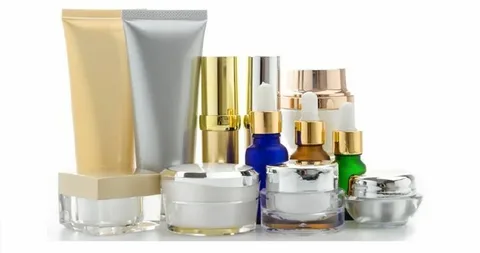
The beauty industry remains a powerhouse for private labelers. From organic serums to luxury anti-aging creams, the ability to customize formulations allows brands to target specific skin concerns or ethical standards (e.g., vegan, cruelty-free).
Health and Wellness
Supplements, yoga accessories, and ergonomic office gear are seeing sustained demand as consumers prioritize longevity and holistic health.
Eco-Friendly Home Goods
Sustainable living is no longer a niche; it’s a requirement. Private label products like bamboo kitchenware, compostable packaging, and solar-powered gadgets are high-conversion items.
How to Find the Right Private Label Manufacturer
Your manufacturer is your most important business partner. A failure in their quality control is a failure of your brand.
Vetting Potential Partners
- Certifications: Ensure they meet ISO, GMP, or FDA standards relevant to your industry.
- MOQs (Minimum Order Quantities): Start with a manufacturer that allows for smaller initial runs to test the market.
- Communication: Choose a partner who is responsive and transparent about lead times.
Domestic vs. International Sourcing
- Domestic (Local): Faster shipping, easier quality checks, and «Made in [Country]» marketing appeal.
- International: Lower production costs and higher manufacturing capacity, though logistics can be more complex.
A private label product is only as good as its presentation. In a sea of «me-too» products, your branding must tell a story.
Designing Your Brand Identity
Packaging That Sells
Investment in high-quality packaging pays off in the «unboxing experience.» Use sustainable materials and minimalist designs to appeal to the modern aesthetic.
Consistent Messaging
Your brand voice should be consistent across your website, social media, and physical inserts. If you are selling luxury, your language should be sophisticated; if you are selling budget-friendly tools, be direct and utility-focused.
SEO Strategies for Private Label Brands
To boost your content marketing campaign, you must ensure your products are discoverable.
Optimizing with Yoast and Rank Math
When listing products on your site, focus on:
- Focus Keywords: Ensure «private label products» and related long-tail keywords appear in your H1, first paragraph, and alt-text.
- Readability: Use short sentences and bullet points.
- Internal Linking: Link your product pages to educational blog posts to build topical authority.
High-Conversion Product Descriptions
Don’t just list features; sell benefits. Instead of «50ml bottle,» try «Travel-friendly size that lasts for 30 days of radiant skin.»
Navigating Legal and Quality Control
Protecting your brand is non-negotiable.
Marketing Your Private Label Brand
Once your product is ready, it’s time to drive traffic.
- Influencer Partnerships: Send samples to micro-influencers in your niche for authentic reviews.
- PPC Advertising: Use Google Ads and Amazon Advertising to capture high-intent buyers.
- Email Marketing: Build a list to launch new products to an audience that already trusts you.
Future Trends: The Evolution of Private Labeling
The next five years will see a rise in AI-driven product development. Data analytics will allow private labelers to predict trends before they hit the mainstream, allowing for «just-in-time» manufacturing and reduced inventory risk.
Conclusion: Taking the First Step
The world of private label products offers an unparalleled path to financial independence and creative fulfillment. By focusing on quality sourcing, strategic SEO, and a «customer-first» branding approach, you can transform a simple concept into a market-leading brand. The barrier to entry is lower than ever, but the ceiling for success is non-existent.
Frequently Asked Questions (FAQs)
How much money do I need to start a private label business?
Initial costs vary by niche. A skincare line might require $2,000–$5,000 for a small batch, while smaller lifestyle accessories could start for under $1,000.
Can I sell private label products on Amazon?
Yes, Amazon FBA (Fulfillment by Amazon) is one of the most popular platforms for private labelers. It allows you to leverage Amazon’s massive traffic and logistics network.
Is private labeling legal?
Absolutely. It is a standard business practice used by major retailers like Walmart (Great Value) and Target (Up & Up). Just ensure you aren’t infringing on existing patents or trademarks.
¡Suscríbete!