


Desi Ghee Benefits That Your Grandmother Knew But Science is Only Now Confirming
The Wisdom That Was Always in the Kitchen
There is a particular kind of knowledge that lives in kitchens — passed from grandmother to mother to daughter, repeated in quiet instructions during cooking lessons, embedded in the way a dish is prepared rather than the way it is explained. For generations of South Asian families, desi ghee was never just a cooking fat. It was medicine, nourishment, comfort, and celebration all at once. A drop of warm roti for a sick child. A generous spoonful stirred into dal for a recovering patient. A rich layer poured over biryani at weddings to signal that no expense was being spared.
And then came the era of dietary fat fear. From roughly the 1970s through the 2000s, saturated fat became the villain of modern nutrition science, and traditional cooking fats like desi ghee were pushed aside in favor of refined vegetable oils and margarine. Grandmothers who continued reaching for the ghee tin were gently dismissed as old-fashioned, out of touch with modern health understanding. The ancient wisdom of the kitchen was overruled by a nutritional consensus that, as it turns out, was far more incomplete than it appeared.
Today, that consensus is being systematically revisited. Research published over the past decade and a half has fundamentally changed how scientists, nutritionists, and physicians understand dietary fat — and in doing so, it has begun to confirm what generations of South Asian grandmothers already knew intuitively. The desi ghee benefits that were embedded in traditional cooking wisdom are not folklore. They are, increasingly, verified science. This article explores those benefits in depth, examines the research behind them, and introduces Tarka by Olpers — Pakistan’s trusted source for pure, quality desi ghee.
What Desi Ghee Actually Is — And Why Purity Matters
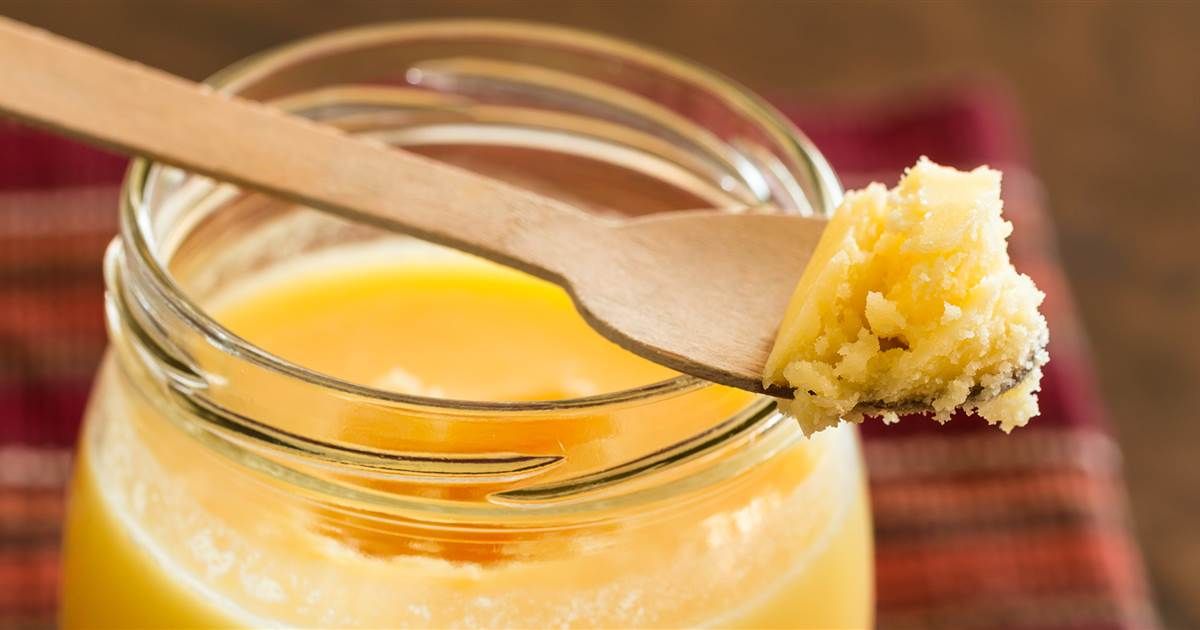
Before exploring desi ghee benefits, it is important to establish what genuine desi ghee is and how it differs from ordinary clarified butter or the adulterated products that are unfortunately common in Pakistan’s market. Desi ghee is made by simmering butter — traditionally from the milk of indigenous cow or buffalo breeds — over gentle heat until the water evaporates completely and the milk solids separate and are removed. What remains is pure, golden, clarified fat that is shelf-stable, deeply aromatic, and nutritionally distinct from the original butter.
The clarification process that produces desi ghee is important for several reasons beyond flavor. By removing the milk solids and water, ghee becomes virtually lactose-free and casein-free, which means people who are sensitive to dairy proteins or lactose can often consume it without the digestive discomfort they experience with regular milk or butter. The removal of these components also gives ghee its remarkable heat stability — it has a very high smoke point compared to most cooking oils, making it one of the safest fats for high-temperature cooking.
Purity matters enormously when it comes to desi ghee benefits, because adulterated ghee — mixed with hydrogenated vegetable oils, animal fats, or other substances — does not carry the same nutritional profile as genuine clarified butter fat. Tarka desi ghee by Olpers, produced under FrieslandCampina Engro Pakistan’s quality standards, is a pure product that delivers the authentic nutritional and culinary properties that genuine desi ghee is known for. Available in 500g and 1kg packaging through OlpersMart at olpersmart.pk, Tarka gives Pakistani consumers access to desi ghee they can actually trust.
The Fat Science Revolution and What It Means for Desi Ghee
To understand why desi ghee benefits are now being confirmed by science, it is necessary to understand what happened to nutritional science’s understanding of dietary fat over the past two decades. The original hypothesis that saturated fat causes heart disease — known as the diet-heart hypothesis — was largely based on studies from the 1960s and 1970s that have since been criticized for significant methodological weaknesses, including cherry-picked data, confounding variables, and the conflation of different types of saturated fats.
More recent and more rigorously designed research has found that the relationship between saturated fat and cardiovascular disease is far more nuanced than originally claimed. A landmark 2010 meta-analysis published in the American Journal of Clinical Nutrition, which analyzed data from 21 studies covering nearly 350,000 participants, found no significant association between saturated fat intake and cardiovascular disease risk. Subsequent research has further refined this understanding, distinguishing between different types of saturated fatty acids and their varying effects on health outcomes.
Desi ghee contains a specific fatty acid profile that includes short-chain and medium-chain fatty acids alongside longer-chain saturated fats. The short and medium-chain fatty acids — including butyric acid and capric acid — have distinct metabolic pathways compared to long-chain saturated fats. They are processed directly in the liver for quick energy rather than being stored as body fat, and they have demonstrated anti-inflammatory, gut-protective, and immune-supporting properties in multiple studies. This is a very different nutritional picture from what the blanket condemnation of all saturated fats suggested, and it is part of why desi ghee benefits are now being taken seriously by the scientific community.
Butyric Acid: The Gut Health Connection Your Grandmother Never Named But Always Understood
One of the most significant and well-researched desi ghee benefits is its exceptionally high content of butyric acid — a short-chain fatty acid that plays a crucial role in gut health. Desi ghee contains more butyric acid than almost any other commonly consumed food, and modern gastroenterology research has established butyric acid as one of the most important compounds for maintaining a healthy digestive system.
Butyric acid is the preferred fuel source for colonocytes — the cells that line the large intestine. When these cells are well-nourished with butyric acid, they maintain the integrity of the intestinal barrier, which prevents harmful bacteria, toxins, and undigested food particles from leaking into the bloodstream — a condition increasingly linked to systemic inflammation, autoimmune disorders, and metabolic disease. A healthy gut lining also supports more efficient nutrient absorption, better immune function, and more stable mood regulation through the gut-brain axis.
Pakistani grandmothers did not know about colonocytes or intestinal barrier integrity, but they knew that a spoonful of desi ghee helped with digestive complaints, that it soothed the stomach of someone recovering from illness, and that it seemed to support overall physical resilience. The traditional wisdom of consuming warm dali with ghee when someone was sick, or giving a child ghee with roti to settle an upset stomach, was not superstition — it was intuitive nutritional medicine that modern science is now explaining at the molecular level. This is one of the most compelling desi ghee benefits that bridges ancient wisdom and contemporary research.
Fat-Soluble Vitamins and Why Ghee Is a Superior Carrier
Another dimension of desi ghee benefits that traditional cooks understood through practice — if not through biochemistry — is ghee’s role as a carrier for fat-soluble nutrients. Vitamins A, D, E, and K are all fat-soluble, meaning the body can only absorb and utilize them when they are consumed alongside dietary fat. Desi ghee is not only itself a source of vitamins A and E, but it actively enhances the absorption of these vitamins from the other foods it is cooked with or served alongside.
When ghee is poured over dal, the fat enables the body to absorb the fat-soluble nutrients present in the lentils more efficiently. When vegetables are cooked in desi ghee, the fat-soluble compounds in those vegetables — including beta-carotene in carrots and spinach, and various fat-soluble antioxidants — become far more bioavailable than they would be if the vegetables were cooked without fat or with water alone. This synergistic effect was reflected in traditional South Asian cooking practices long before anyone understood the biochemistry — ghee was used generously in vegetable dishes not just for flavor but because experience showed it made the food more nourishing.
Vitamin A content is particularly noteworthy among desi ghee benefits. Genuine desi ghee from grass-fed or traditionally raised animals contains meaningful quantities of vitamin A in its preformed retinol form — the most bioavailable form of vitamin A, which does not require the conversion that plant-based beta-carotene requires. In populations where vitamin A deficiency is a public health concern, traditional ghee consumption has historically served as a dietary safeguard.
Cooking Performance: Why High Smoke Point Matters More Than Most People Realize
One of the most practically important desi ghee benefits is something that home cooks experience every day but may not have thought about in terms of health implications: ghee’s exceptionally high smoke point. The smoke point of a cooking fat is the temperature at which it begins to break down, oxidize, and release potentially harmful compounds. Most vegetable oils — including sunflower oil, corn oil, and even some olive oils — have smoke points that are reached relatively easily during normal frying, sautéing, and tarka-making.
When cooking oils exceed their smoke point, they undergo oxidation and produce harmful compounds including aldehydes, acrolein, and various free radicals that have been associated with inflammation and cellular damage. Desi ghee, by contrast, has a smoke point significantly higher than most cooking oils — typically around 250°C or above — which means it remains stable and safe at the temperatures commonly used in Pakistani cooking, including high-heat tarka, deep frying, and the sustained high-temperature cooking required for biryani and dum dishes.
This means that cooking with pure desi ghee like Tarka by Olpers is actually safer from an oxidative chemistry standpoint than cooking with many refined vegetable oils at high temperatures. The traditional preference for ghee in high-heat cooking applications was not just about flavor — it was an intuitively sound choice based on the observed stability and reliability of ghee under cooking conditions that would compromise other fats.
Conjugated Linoleic Acid and Metabolic Health
Among the scientifically documented desi ghee benefits, conjugated linoleic acid — commonly known as CLA — deserves particular attention. CLA is a naturally occurring fatty acid found in the milk fat of ruminant animals like cows and buffaloes, and desi ghee is one of the richest dietary sources of CLA available. Research into CLA’s health effects has produced a growing body of evidence linking it to several beneficial metabolic outcomes.
Studies have found that CLA consumption is associated with modest reductions in body fat mass, improvements in insulin sensitivity, and potential anti-carcinogenic effects in animal models — though human clinical evidence on the last point requires further development. More consistently supported is CLA’s role in supporting a healthy inflammatory response and its potential contribution to maintaining lean body mass during weight management. These effects are more pronounced in ghee derived from animals that have been grass-fed or traditionally raised, as their milk fat naturally contains higher CLA concentrations.
The CLA content of desi ghee is one of the reasons why traditional consumption of ghee — in reasonable, moderate quantities as part of a balanced diet — has not historically produced the metabolic harm that the blanket condemnation of saturated fat would have predicted. It is also a reminder that the nutritional quality of animal fat products is significantly influenced by how the animals were raised — a distinction that modern nutritional science is increasingly taking seriously.
Tarka by Olpers — Pure Desi Ghee You Can Trust
All of the desi ghee benefits discussed in this article are dependent on one critical condition: the ghee must be genuine, pure, and unadulterated. Adulterated ghee — and unfortunately Pakistan’s market has significant adulteration problems in this category — does not carry the same fatty acid profile, the same butyric acid content, the same CLA levels, or the same vitamin content as pure desi ghee. Choosing a trusted, regulated brand is therefore not just a quality preference — it is a health decision. This becomes even more relevant when comparing everyday dietary choices like Low Fat Milk: Benefits, where consumers are actively trying to balance nutrition, fat intake, and long-term wellness.
Tarka desi ghee by Olpers is produced by FrieslandCampina Engro Pakistan under internationally certified manufacturing standards that ensure purity, consistency, and genuine nutritional integrity. Every batch is processed and packaged to preserve the natural qualities of pure clarified butter fat without adulteration, artificial additives, or quality compromises. The result is a desi ghee that genuinely delivers the desi ghee benefits that Pakistani families have relied on for generations.
Tarka is available in 500g and 1kg packaging through OlpersMart at olpersmart.pk, with delivery across Karachi, Lahore, Islamabad, and Rawalpindi. For families who want to reconnect with the nutritional wisdom of traditional Pakistani cooking — backed now by the confirmation of modern science — Tarka by Olpers is the most trustworthy way to bring pure desi ghee back to the kitchen where it has always belonged.
Your grandmother was right. She just did not have the research papers to prove it.
¡Suscríbete!