


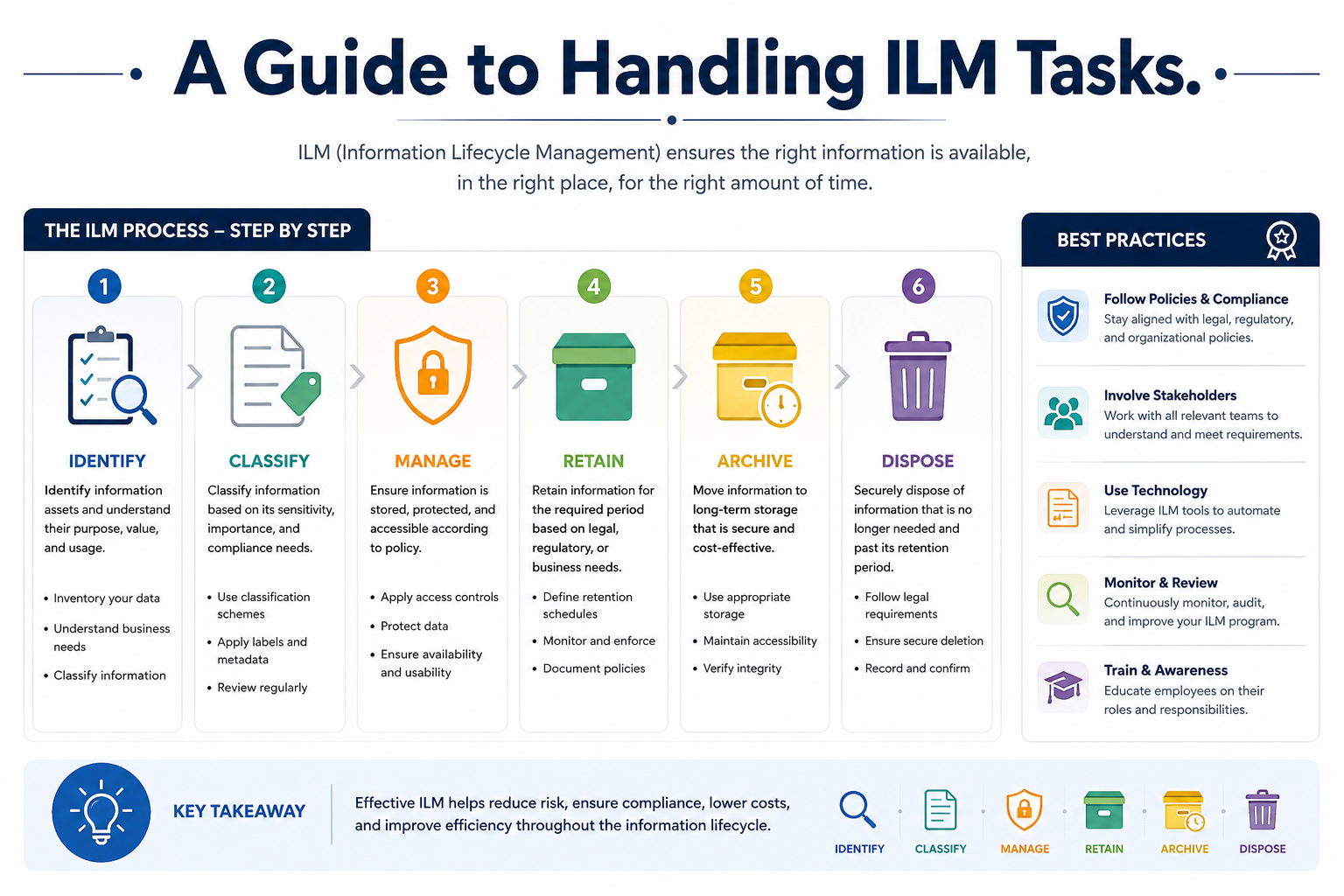
A Guide To Handling ILM Tasks.
Team & People Management tasks in the ILM qualification, and how to handle them
The main aim of the ILM qualification is to assist practicing managers, coaches, and mentors to develop skills and expertise that will enhance their leadership performance for current or future roles. This qualification is widely recognised to develop competent and people-centric leaders.
No matter if you are enrolled in level 3, level or level 7, one major area of this qualification is team and people management. Moreover, these ILM tasks are designed to test how learners move beyond theoretical knowledge and practically apply leadership principles to real-world scenarios.
Many students may find team and people management assignments difficult. This is because these assignments require reflective thinking, analytical thinking, an in-depth understanding of human behavior, and evidence-based decision-making. However, if you learn how to complete these assignments effectively, you’ll have an opportunity to grow as a leader.
If you want to know the major team and people management tasks in ILM qualifications and ways to handle them, then this blog is for you!
What do team and people management tasks in the ILM qualification involve?
The team and people management tasks in the ILM qualification are designed to check a learner’s capability to:
1. Guiding and mentoring teams and individuals as a leader.
2. Interact and communicate effectively within the workplace.
3. Managing performance and development.
4. Settling conflicts and managing workplace challenges.
5. Reflect on leadership styles and personal effectiveness.
These tasks are highly practical and career-focused as learners have to connect and relate leadership theories to their own workplace context.
What are the common team and people management tasks in ILM qualifications?
Team leadership and motivation:
It includes:
1. Pushing, motivating, and encouraging team members to enhance their performance and achieve organisational goals.
2. Building and developing teams and encouraging collaboration among team members.
3. Providing guidance and aligning team activities with the organisation’s goals and vision.
4. Conducting effective meetings and guiding the team.
Performance and development:
1. Managing performance by setting performance standards or objectives, i.e, KPIs, monitoring progress, and providing constructive feedback.
2 . Delegating tasks effectively and empowering team members with responsibility.
3. Mentoring individuals to support their personal growth and improve skills.
4. Developing yourself and others by identifying professional development needs.
Communication and relationships:
1. Improving communication skills, with active listening, negotiation, and handling challenging conversations.
2. Building and managing strong relationships with colleagues, stakeholders, and customers.
3. Stress and conflict management in the workplace.
4. Understanding diversity and inclusion in the workplace.
Operational management and change:
1.Planning and monitoring workloads and resources.
2. Problem-solving and making informed decisions.
3. Facilitating innovation.
4. Project management to achieve specific results.
How to handle ILM tasks?
ILM qualifications involve practical and vocational learning approaches. These qualifications involve tasks and assignments that require learners to apply theoretical knowledge to real-world scenarios:
First step: understanding the assessment criteria:
Focus on the specific learning outcomes and the assessment criteria for each unit. Also, pay attention to the command words to understand how to approach the task.
Second step: using a structured approach:
A successful ILM learner uses a structured approach or framework to formulate their answers. Such as the STAR framework, which includes describing the situation, task, actions taken, and the results. However, if you struggle to structure the answers, then you can also connect with an assignment help.
Third step: application of relevant theories and models:
When describing how you will motivate a team and manage conflict, you must reference relevant management and leadership theories, such as using Maslow’s Hierarchy of Needs to explain motivation, or Lewin’s leadership styles to justify your approach in a specific situation.
Fourth step: provide a specific workplace example:
You must add specific and concrete examples from your own professional experience. Be as specific as you can, explaining your examples. I motivated my team is a generic statement; instead of writing this, write a specific situation in which you utilised a technique and how it positively affected the performance.
Fifth step: reflect and evaluate:
A major aspect of ILM Assignment Help tasks is self-reflection. Therefore, you must evaluate your own performance, strengths, and weaknesses as a leader. Show how you used feedback to identify areas for improvement and how you plan to develop yourself further.
Sixth step: seek feedback and support:
You can take advantage of the available support mechanisms, such as one-on-one tutoring sessions. Seeking feedback in your workplace about your performance is helpful, as it helps you identify strengths and weaknesses in the personal development plan.
Seventh step: Be clear and concise:
Use headings and subheadings to structure your answers. Make sure you add relevant content in a clear and concise manner. You can also seek assistance from an assignment help UAE if you struggle with the ILM task.
Eighth step: adhere to policies:
Make sure that the actions and decisions in your assignments are aligned with the organisation’s policies and legal requirements.
Final thoughts
Team and people management tasks can be demanding, but they are designed to develop practical leadership skills that lead to professional growth.
Once you understand how to handle team and people management tasks such as applying leadership theories, reflecting on real workplace experiences, and applying a structured approach, you become confident and clear in dealing with other ILM tasks.
Moreover, completing these tasks successfully doesn’t mean that you have passed the assessment, but it’s about becoming a successful leader.
¡Suscríbete!