


What Every Parent Needs to Know About Mattress Dimensions
Introduction
Selecting the right sleeping surface is a journey that begins much earlier than most people realise. As someone who values a good night’s sleep, I know how vital it is to pick a mattress that suits the sleeper and the room perfectly. For new parents, this journey often starts with a sense of confusion regarding the transition from a nursery to a big kid room. Many parents find themselves standing in a baby boutique, staring at rows of mattresses, wondering if they need to upgrade to a toddler specific model once their little one begins to walk.
The reality is that the world of mattress measurements is full of surprises, particularly when it relates to the earliest stages of life. Understanding these dimensions provides the knowledge needed to make a choice that ensures sleep is as cosy and cost-effective as it should be.
Understanding the Standard Dimensions
As a person who values a quality rest, I have learned that bed sizes are more than just numbers on a spreadsheet. They represent the harmony between the furniture and our living spaces. When we look at the nursery, the industry has established very specific guidelines to ensure safety and consistency. In Australia and many other regions, the standard size for a crib mattress is approximately 69 centimetres by 130 centimetres.
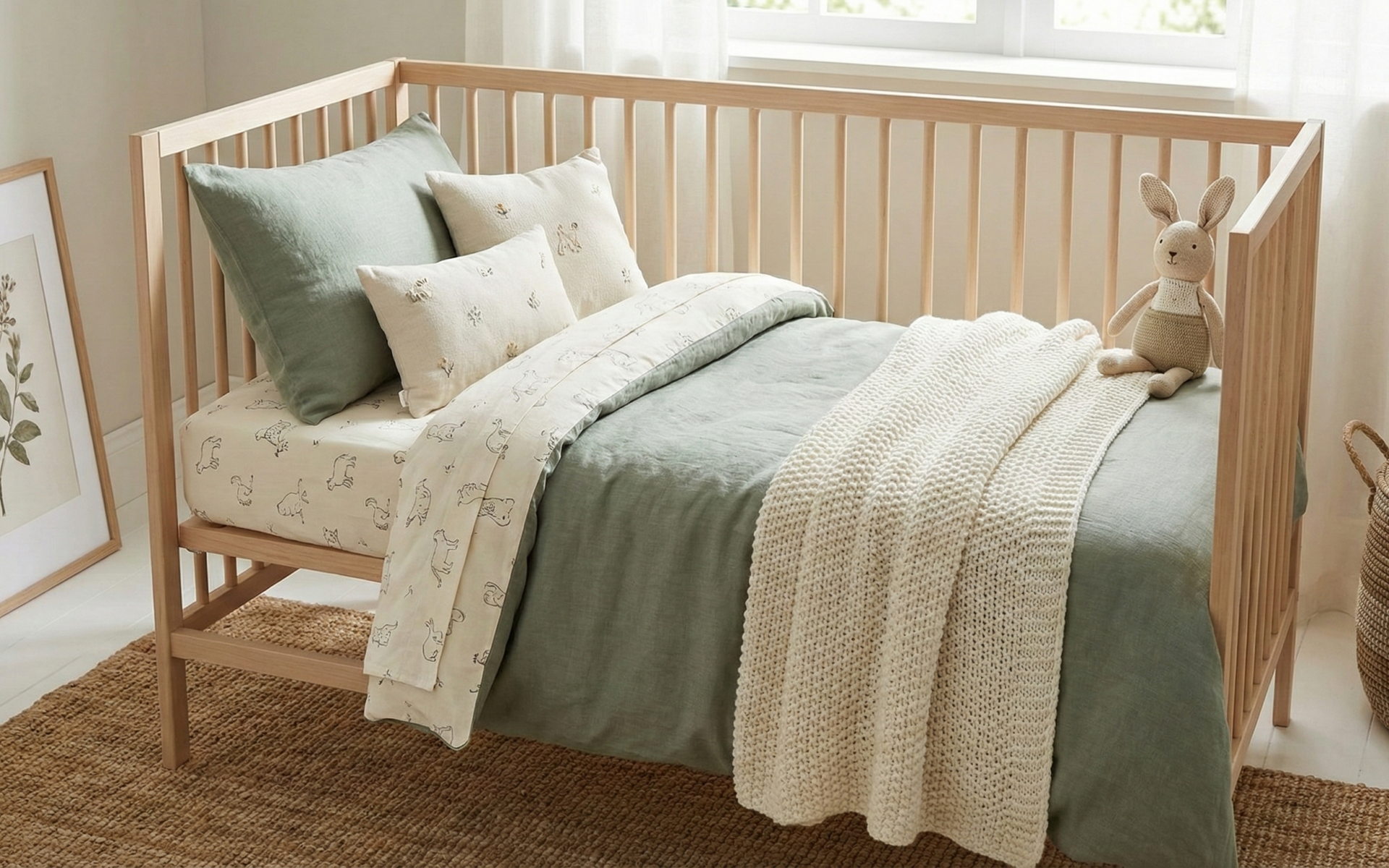
Interestingly, this is the exact same size used for a toddler bed. The reason most parents are surprised is that marketing often suggests a «toddler mattress» is a necessary next step. However, the dimensions remain identical to ensure they fit safely into the frames of convertible cribs. Choosing a neutral crib set can help bridge this transition visually, as the same bedding often fits both stages of development perfectly. This continuity between the crib and the toddler bed means that the primary difference isn’t found in the length or width, but often in the firmness or the materials used inside the mattress.
Why Measurements Matter for Safety
It is not just about the look of the room; the harmony between the mattress and the frame impacts how well a child rests and their ultimate well-being. A gap that is too large between the mattress and the bed frame can be a safety hazard for an infant. This is why following a reliable size guide is pivotal. Our lifestyle dictates the space we need, and for a growing child, that space needs to be secure.
Comparing Standard to Non-Standard Sizes
While the standard crib and toddler dimensions are the most common, delving into the world of non-standard options reveals a canvas for personalisation. Some parents may opt for «mini cribs» if they are living in a quaint studio apartment or a smaller flat. These typically measure around 61 centimetres by 96 centimetres.
On the other end of the scale, once a child outgrows the toddler phase, they move into the realm of adult mattress sizes. A standard Twin or Single mattress measures roughly 92 centimetres by 188 centimetres. The leap from a toddler bed to a single bed is significant, providing a sprawling oasis for a growing child who enjoys more space to stretch out.
From Single Sleepers to Family Beds
The variety of bed size dimensions on offer is remarkable. Imagine the compact comfort of a twin mattress for a child’s bedroom, which works wonders in smaller spaces. As the child grows into a teenager, they might upgrade to a Double or a Queen. A Queen mattress stands at 153 centimetres by 203 centimetres, offering an ideal equilibrium of spaciousness and intimacy. For those seeking the realm of king-sized comfort, the dimensions reach a palatial 183 centimetres by 203 centimetres, allowing more than enough room for the whole clan during a weekend morning lie-in.
Assessing Your Physical Requirements
Choosing a mattress size is a personal experience that involves finding a balance between comfort preferences and the layout of the bedroom. It is about creating alignment between sleeping patterns and physical requirements. For a toddler, the physical requirement is often a firm surface to support growing bones.
Accounting for Bedroom Furniture
Beyond personal space, the layout of the nursery or bedroom influences the appropriate mattress dimension. You must consider the delicate dance between the bed size, closets, and walking paths. This ensures you will not be navigating an obstacle course when you are half-awake for a midnight feeding. To determine the right fit for your space, follow these steps:
- Measure the length and width of the available floor space.
- Subtract the space needed for wardrobes, changing tables, and a comfortable walking area.
- Match the remaining space with a suitable mattress size using a measurement guide.
The Significance of Size in Sleep Health
Getting a quality rest begins with choosing the size that fits your body type and habits. If a mattress is too small, you feel cramped; if it is too large, it might overwhelm the room and feel less secure for a small child. The right fit allows the sleeper to move comfortably and shift positions without disruptions, keeping the spine aligned properly.
While many believe that bigger is always superior, the perfect fit is what truly matters for maintaining sleep quality and overall satisfaction. For a toddler, staying in their familiar crib-sized mattress during the transition to a toddler bed can actually provide a sense of security, helping them stay asleep longer through the night.
Fitting the Mattress to Your Room
When creating a restful space, one cannot underestimate the significance of matching mattress sizes with room dimensions. Whether you are comparing a single to a double or a queen to a king, the goal is to transform the room into a sanctuary rather than a storage area. Your bedroom should be a retreat—a spacious oasis that reflects your personal style.
Recommended Room Minimums
To help you plan, here is a reference for minimum room sizes required to accommodate different mattress types comfortably:
- Crib/Toddler Bed: 2.1m x 3.0m
- Single/Twin: 2.1m x 3.0m
- Double/Full: 2.7m x 3.0m
- Queen: 3.0m x 3.0m
- King: 3.6m x 3.6m
The Advantage of Quality Manufacturing
When searching for the perfect mattress, the multitude of choices can be overwhelming. However, quality manufacturers prioritise comfort by offering a variety of sizes and clear specifications. A detailed mattress size diagram can illuminate the subtle differences between dimensions, helping you evaluate how each size fits into your life.
Whether you need compact efficiency for a modest guest room or sprawling magnificence for a master suite, investing in the right size is an investment in nights of tranquility. Every quality mattress promises to deliver support and the luxury of space when the measurements are chosen correctly.
Conclusion
Throughout this journey into the detailed world of mattress measurements, the aim has been to empower you to select a surface that suits your unique needs. Just as a tailor measures for a bespoke suit, understanding bed sizes is crucial to finding that perfect fit for your sanctuary. The precision of these specifications is not just about numbers; it is about what those numbers mean for your sleep quality and your home’s aesthetics.
I have worked to simplify the choices available so you can pick the right size with ease. It is not just about the room the mattress is in, but the dreams you will have on it. Whether you are setting up a nursery or upgrading to a king-sized bed, I believe this guide will lead you to a mattress that suits both your body’s needs and the peace of your home.
Read Also: Crib vs Toddler Bedding Size: What Parents Actually Need to Know
FAQ
What is the difference between a crib mattress and a toddler mattress?
In terms of dimensions, there is usually no difference at all as both typically measure 69cm by 130cm. The main difference is often that crib mattresses are firmer for infant safety, while some toddler mattresses offer a slightly softer side for older children.
Can I use my baby’s crib mattress in a toddler bed?
Yes, most standard crib mattresses are designed to fit perfectly into a toddler bed frame. This allows you to save money by reusing the same mattress as your child grows out of the crib.
How do I know if a mattress fits my crib safely?
You should not be able to fit more than two fingers between the mattress and the crib frame. A snug fit is essential to prevent any gaps where a baby could potentially get stuck.
When should a child move from a toddler mattress to a single bed?
Most children make the transition between the ages of three and five depending on their height and activity level. If your child is frequently hitting the ends of the bed or seems cramped, it is time to upgrade.
Are there different sizes for mini crib mattresses?
Yes, mini crib mattresses are smaller than standard ones and usually measure around 61cm by 96cm. They are ideal for smaller nurseries or for use as a secondary bed in a different room.
Why is mattress firmness important for infants but less so for toddlers?
Infants require a very firm surface to reduce the risk of SIDS and provide support for their developing bones. Toddlers have better muscle control and can safely sleep on a slightly more cushioned surface for comfort.
Does a Queen mattress fit in a standard secondary bedroom?
A Queen mattress usually requires a room that is at least 3.0m by 3.0m to fit comfortably. You must ensure there is enough space left over for walking paths and other essential furniture like bedside tables.
Artículos relacionados

Top Benefits of Working with a Scan to BIM Service Provider in New York for Historic Building Restoration
Historic buildings are an important…

Top Benefits of Working with a Scan to BIM Service Provider in New York for Historic Building Restoration
Historic buildings are an important…
Why Property Owners Choose a Scan to BIM Service Provider in New York for Building Renovations
Building renovations have become a…

5 Reasons to Choose Mini Skip For Hire for Garden Waste
A tidy garden creates a…
Boat Charters Palm Beach Florida Scenic Water Adventures
Boat charters Palm Beach Florida…

Expert Nonprofit Bookkeeping Services for Australian Charities
Introduction At Numberfied, we clearly…
¡Suscríbete!