


Rise of Sustainable Jewelry and Lab-Grown Gems
Sustainability has become a defining factor influencing consumer decisions across industries, including the evolving world of accessories. Jewelry, once primarily associated with luxury and status, now reflects deeper values related to environmental responsibility and ethical sourcing. Consumers increasingly seek transparency regarding materials, production methods, and overall impact on natural ecosystems.
This shift results from growing awareness about the environmental consequences of traditional mining practices, including land disruption and resource depletion. Ethical concerns surrounding labor practices further contribute to changing expectations among modern buyers. As a result, the industry continues adapting to meet these demands.
Sustainable approaches emphasize minimizing environmental impact while maintaining aesthetic appeal and craftsmanship quality. Designers explore alternative materials, responsible sourcing methods, and innovative technologies that reduce reliance on conventional mining. These efforts create opportunities for more responsible production without sacrificing beauty.
Moreover, sustainability extends beyond materials to include longevity and versatility in design. Durable pieces that remain relevant over time reduce waste and promote mindful consumption habits. This perspective aligns with broader cultural shifts toward conscious living and responsible purchasing decisions.
Lab Grown Gems Transforming Jewelry Design
Technological advancements have introduced lab-grown gemstones as viable alternatives to traditionally mined stones within modern design practices. These gems are created under controlled conditions that replicate natural formation processes, resulting in identical chemical and physical properties. This innovation allows designers to maintain quality while addressing environmental concerns.
Lab-grown gemstones offer greater consistency in color, clarity, and structure, enabling more precise design outcomes. This reliability supports creative experimentation without the limitations often associated with natural stone variability. As a result, designers can achieve intricate aesthetics with greater efficiency.
Cost considerations also influence the growing popularity of lab-grown options, making high-quality designs more accessible to a wider audience. This accessibility expands opportunities for individuals to explore diverse styles without exceeding budget constraints. Affordability enhances inclusivity within the market.
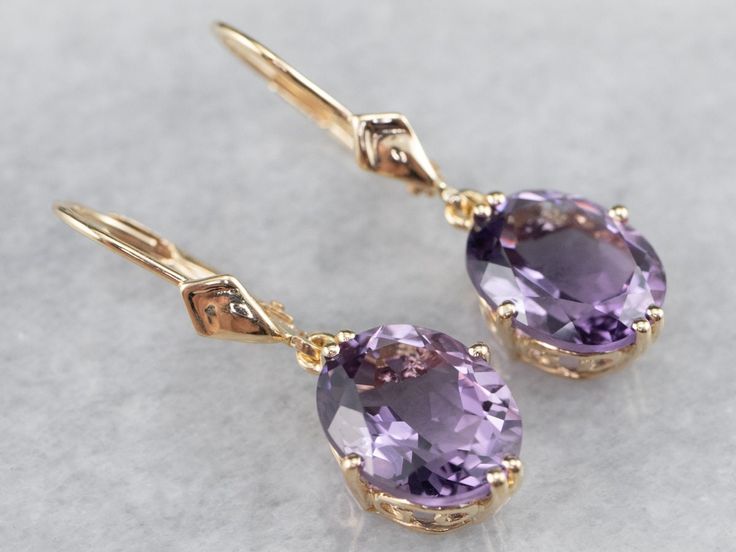
Midway through exploring these innovations, many consumers encounter curated collections labeled as fine jewelry for gemstone lovers, highlighting how lab-grown gems deliver brilliance and ethical assurance simultaneously. These collections demonstrate the seamless integration of sustainability with luxury appeal.
By embracing technological advancements, the industry continues redefining traditional perceptions while maintaining the essence of elegance and craftsmanship.
Environmental Benefits of Sustainable Jewelry Practices
Sustainable production methods significantly reduce environmental impact compared to conventional mining and manufacturing processes. Reduced land disruption, lower energy consumption, and minimized waste contribute to a more balanced relationship with natural ecosystems. These benefits align with global efforts toward environmental conservation.
Water usage also decreases substantially in sustainable production, addressing one of the most critical resource concerns associated with traditional mining. Efficient processes ensure that fewer natural resources are depleted during gemstone creation and refinement. This efficiency supports long-term ecological stability.
Additionally, sustainable practices often incorporate recycled materials, reducing the need for new extraction while extending the lifecycle of existing resources. This approach promotes circular production models that emphasize reuse and conservation. Such strategies contribute to reduced environmental strain.
Carbon footprint reduction represents another key advantage, as modern technologies streamline production and transportation processes. Lower emissions result from shorter supply chains and more efficient manufacturing techniques. These improvements reflect broader commitments to sustainability within the industry.
Through these environmental benefits, sustainable jewelry practices demonstrate that luxury and responsibility can coexist effectively without compromising quality or design.
Consumer Trends Driving Jewelry Sustainability
Changing consumer preferences play a central role in accelerating the adoption of sustainable practices within the jewelry industry. Modern buyers prioritize transparency, ethical sourcing, and environmental impact when evaluating potential purchases. These priorities influence brand strategies and product offerings significantly.
Social media and digital platforms amplify awareness, enabling consumers to access information about sourcing and production methods easily. This access empowers individuals to make informed decisions aligned with personal values. Increased visibility encourages accountability among brands.
Younger generations, in particular, demonstrate strong interest in sustainability, shaping market trends through their purchasing behavior. Their preferences drive innovation and encourage companies to adopt more responsible practices. This influence continues expanding across global markets.
Customization also contributes to evolving trends, as consumers seek unique designs that reflect individuality while supporting ethical values. Lab-grown gems and sustainable materials provide flexibility for personalized creations. This adaptability enhances overall appeal.
As consumer expectations evolve, the industry responds by integrating sustainability into core operations, ensuring long-term relevance and competitiveness.
Future Outlook for Sustainable Jewelry Industry
The future of the jewelry industry increasingly aligns with sustainability, innovation, and responsible production practices. Continued advancements in technology will likely enhance the quality and accessibility of lab-grown gemstones. These developments support broader adoption across different market segments.
Collaboration between designers, manufacturers, and environmental organizations further strengthens efforts toward sustainable production. Shared knowledge and resources enable more effective solutions to complex challenges. This cooperation accelerates progress within the industry.
Regulatory frameworks may also evolve to encourage transparency and accountability, ensuring consistent standards across global markets. These measures promote trust and confidence among consumers. Clear guidelines support responsible growth.
Educational initiatives play an important role in shaping future trends by informing consumers about sustainable options and their benefits. Increased awareness fosters demand for ethical products, driving continued innovation. Knowledge empowers responsible decision-making.
Ultimately, the rise of sustainable jewelry reflects a broader cultural shift toward conscious consumption and environmental responsibility. By embracing innovation and ethical practices, the industry continues redefining luxury for future generations.
¡Suscríbete!