


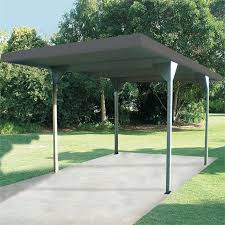
Transportable Shade Sheds: The Complete Guide to Flexible, Portable Shelter Solutions
- Inicio
- Noticias
- Transportable Shade Sheds: The Complete Guide to Flexible, Portable Shelter Solutions
Transportable shade sheds have become one of the most practical and versatile shelter solutions for homeowners, farmers, event organizers, and businesses that need reliable protection without committing to permanent construction. Whether you’re shielding vehicles, equipment, livestock, or outdoor workspaces, these portable structures offer an ideal balance of durability, mobility, and convenience.
This guide explores everything you need to know about transportable shade sheds—from how they work and their key benefits to choosing the right type for your needs.
What Are Transportable Shade Sheds?
Transportable shade sheds are temporary or semi-permanent shelter structures designed to be easily moved, assembled, and disassembled. Unlike fixed garages or permanent sheds, they are built with lightweight yet strong materials such as galvanized steel frames and UV-resistant fabric or metal roofing panels.
They are commonly used in:
- Agriculture (livestock shade, feed storage, machinery protection)
- Construction sites (tool and equipment shelter)
- Residential spaces (car shading, backyard storage)
- Events (temporary seating or vendor cover)
- Industrial yards (material protection)
Their main advantage is flexibility—set them up where you need them and relocate them as conditions change.
Key Benefits of Transportable Shade Sheds
1. Portability and Flexibility
The defining feature is mobility. These sheds can be relocated without heavy machinery in many cases. This makes them ideal for seasonal use or changing work environments.
2. Cost-Effective Shelter Solution
Compared to permanent buildings, transportable shade sheds are significantly more affordable. You save on construction costs, permits, and long-term maintenance.
3. Quick Installation
Most models are designed for rapid assembly. Some can be installed within hours, making them perfect for urgent shade or weather protection needs.
4. Weather Protection
High-quality shade sheds provide protection from:
- Harsh sunlight and UV rays
- Rain and wind
- Dust and debris
- Light hail conditions (depending on design)
5. Multi-Purpose Use
One structure can serve multiple roles over time—storage today, livestock shelter tomorrow, and equipment cover next season.
Types of Transportable Shade Sheds
1. Fabric-Covered Shade Sheds
These use heavy-duty polyethylene or PVC fabric stretched over a steel frame. They are lightweight and highly portable.
Best for: Temporary shading, farming, and event use.
2. Steel Frame Canopy Sheds
Built with galvanized steel frames and sometimes metal roofing panels, these are more durable and semi-permanent.
Best for: Long-term outdoor storage and industrial use.
3. Pop-Up Shade Sheds
Compact and highly mobile, these are smaller units often used for personal or light commercial purposes.
Best for: Markets, small equipment, and quick coverage needs.
4. Modular Shade Structures
These can be expanded or adjusted by adding extra sections.
Best for: Businesses and farms with growing space requirements.
Common Uses of Transportable Shade Sheds
Agricultural Use
Farmers use them for protecting tractors, hay, feed, and livestock. Their portability is especially useful for rotating grazing systems.
Construction Sites
Tools, materials, and machinery stay protected from weather damage, improving efficiency and reducing loss.
Residential Applications
Homeowners use them as carports, garden storage, or backyard work shelters.
Commercial and Industrial Use
Warehouses, workshops, and logistics yards rely on them for temporary overflow storage.
How to Choose the Right Transportable Shade Shed
When selecting a shed, consider the following:
1. Size Requirements
Measure the space and ensure the shed accommodates current and future needs.
2. Material Quality
Look for:
- Rust-resistant steel frames
- UV-protected fabric or coated metal roofing
- Strong anchoring systems
3. Weather Conditions
If you live in areas with heavy winds or rain, choose reinforced frames and secure anchoring options.
4. Ease of Assembly
Some systems are tool-free, while others require more complex installation.
5. Portability Level
If frequent relocation is needed, go for lightweight, modular designs.
Maintenance Tips
To extend the life of your transportable shade shed:
- Regularly check for loose bolts or joints
- Clean fabric covers to prevent mold buildup
- Inspect for rust or corrosion on metal parts
- Secure properly during storms or high winds
- Store components properly if disassembled
Advantages Over Permanent Structures
While permanent sheds offer long-term stability, transportable shade sheds excel in:
- Lower upfront investment
- No permanent land modification
- Flexibility for relocation
- Faster deployment
- Adaptability to changing needs
This makes them especially valuable for dynamic industries like agriculture and construction.
Final Thoughts
Transportable shade sheds are a smart, modern solution for anyone needing reliable and flexible outdoor protection. Their combination of affordability, mobility, and durability makes them a preferred choice across farming, industrial, and residential settings.
If you need a structure that can move with your needs, adapt to different uses, and provide dependable shelter year-round, a transportable shade shed is one of the most practical investments you can make.
¡Suscríbete!